
TRUSTED ALLY KEEPS NUCLEAR WORKERS HAPPY, HEALTHY, AT HOME
Your guide to tax-free compensation and free home healthcare through the EEOICPA White Card Program.


Why Trusted Ally?
We are the only home healthcare agency providing EEOICPA benefits that is owned and operated by the great-granddaughter of a former nuclear weapons program worker.
While most agencies are owned by large investment groups, we remain family-owned and independent. We answer to families, not investors.
• We serve nuclear weapons workers, contractors and subcontractors
• Up to $400,000 in tax-free compensation and free home healthcare
• The only DOL healthcare provider with a personal wellness program
• Our nurses are actual W2 employees, not contractors
• Your Family Health Aide can get paid above industry rates with W2 benefits
• We help you register your DOL White Card to maximize your benefits

It's personal for us
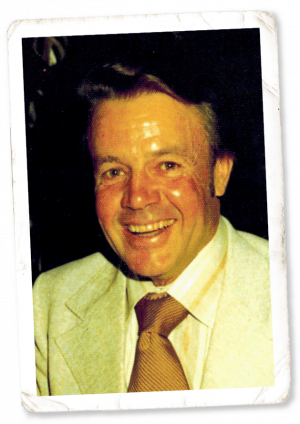
We started Trusted Ally to carry on the legacy of my great-grandfather Johney by helping other former workers like him. Trusted Ally is more than a business to us, providing outstanding care is personal.
Candace Honeywell
CEO & Co-Founder
Fighting for the rights of himself and his fellow workers, Johney was among the first to file a class-action lawsuit against the Department of Energy, leading to the creation of the EEOICPA White Card Program.



Trusted Ally Services
At Trusted Ally, we take pride in providing personalized and reliable EEOICPA benefits. Our team is dedicated to offering a comprehensive range of home healthcare services tailored to meet your specific needs and we help fight to maximize your compensation and care.


Safety, Stability & Longevity
Trusted Ally's Clinical Anchor Model is built on three pillars: Safety, Stability, and Longevity. Every client receives all three monthly visits, each with a distinct focus.

Maximizing Benefits
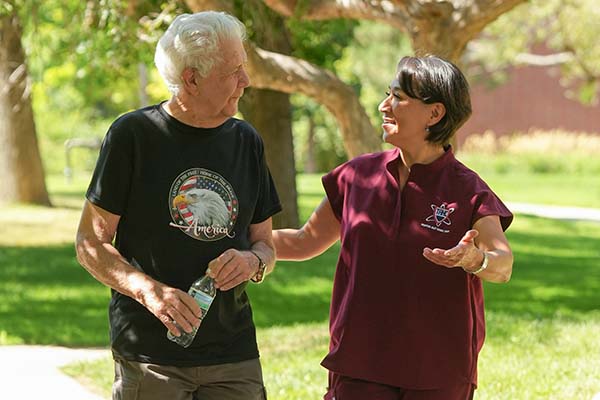
We want you to thrive, flourish and relish every moment. Living your life to its potential includes maximizing your financial and medical EEOICPA benefits.

Skilled Nursing
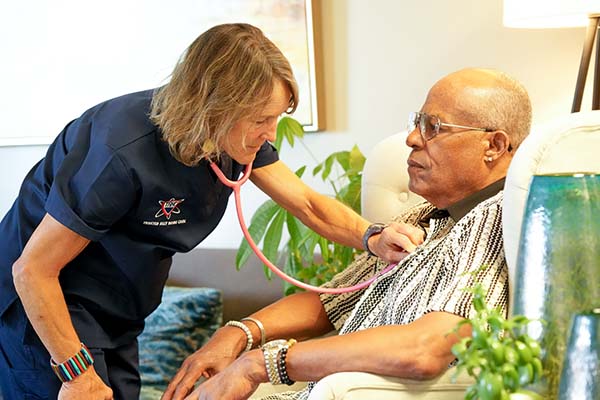
Our team of highly skilled nurses collaborates closely with your treating physician to develop a Plan of Care to meet the specific needs of your EEOICPA benefits.


Home Health Aides
Our team of Home Health Aides are carefully selected through a rigorous interview process and trained by our clinical staff to address your EEOICPA benefits.


Family Health Aides
Do you already provide care for your loved one on a regular basis? Our program allows family members to be trained and paid for providing EEOICPA benefits.


Case Management
Our Case Managers serve as the primary contact for your EEOICPA benefits. They ensure the program is utilized in accordance with your personal Plan of Care.

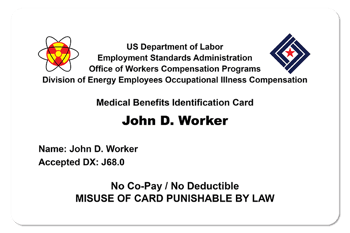
Do You Qualify?
Up to $400,000
Free home healthcare
We can help guide you
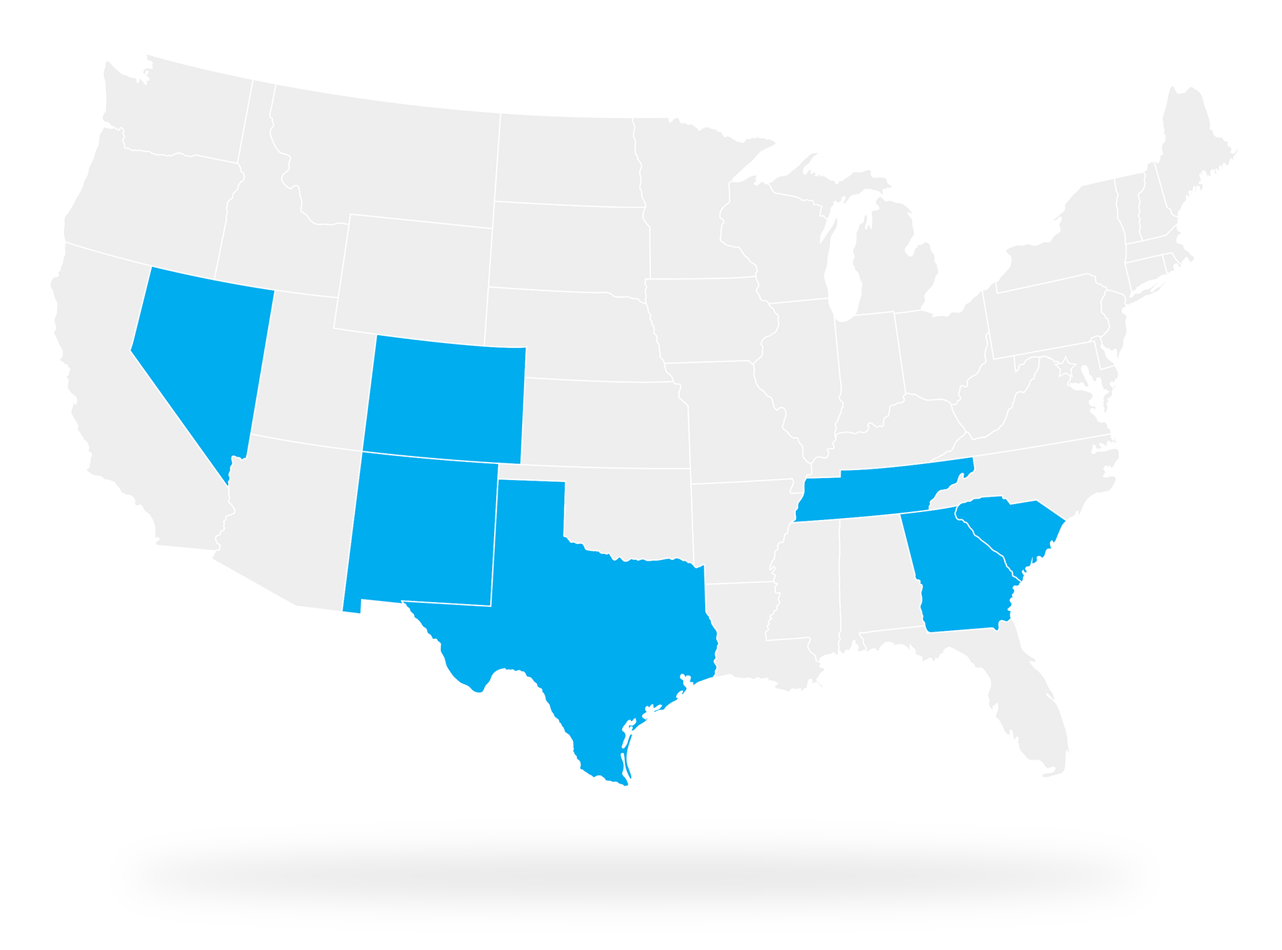
Areas We Serve

Colorado, Nevada, New Mexico, South Carolina, Georgia, Tennessee and Texas.
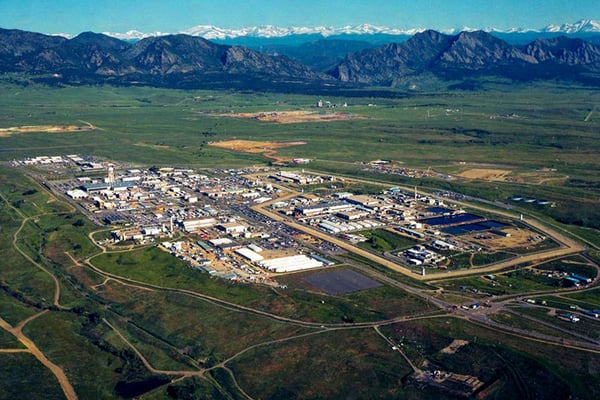
Colorado
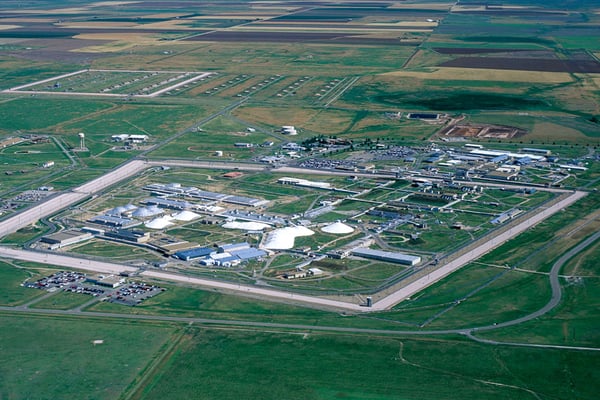
Colorado has 17 facilities covered by the EEOICPA White Card Program including the Rocky Flats Plant, which played a vital role in producing nuclear weapons parts, such as plutonium and uranium. Colorado is also a designated Uranium Worker State meaning certain uranium industry employment is covered under the Radiation Exposure Compensation Act (RECA) throughout the entire state.

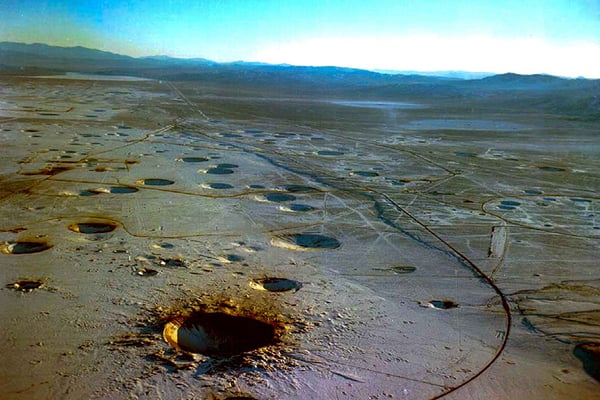
Nevada
Nevada has 6 locations covered by the EEOICPA White Card program including the Nevada Test Site, also known as the Nevada National Security Site which was established in 1951 for testing nuclear weapons. Nevada also has 6 designated Downwinder Areas meaning certain counties downwind from the Nevada Test Site are covered under the Radiation Exposure Compensation Act (RECA).

New Mexico
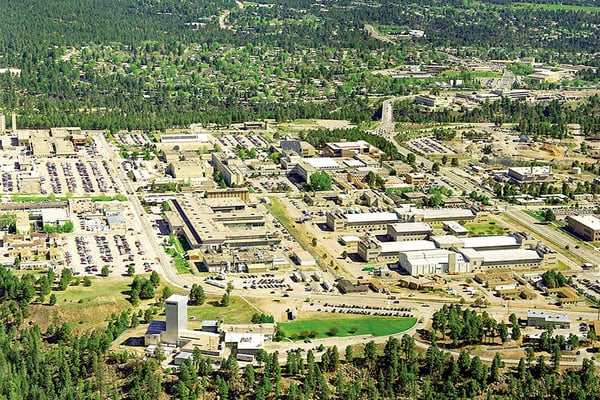
New Mexico has 18 facilities covered by the EEOICPA White Card program including the Los Alamos National Laboratory. New Mexico is also a designated Uranium Worker State meaning certain uranium industry employment is covered under the Radiation Exposure Compensation Act (RECA) throughout the entire state. Uranium mining played a large role from the early 1950s to the early 1980s.

South Carolina
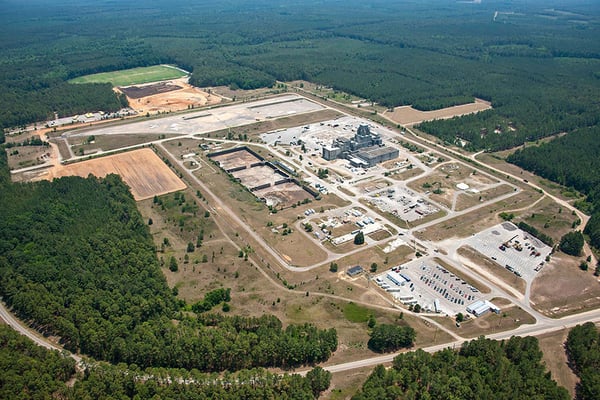
South Carolina has 1 facility covered by the EEOICPA White Card program which is the Savannah River Site (SRS). This site performed multiple operations that played a vital role in the nuclear weapons complex including the production of plutonium and tritium. Many facilities were built at SRS to support these efforts and to address the resulting environmental impacts.

Georgia
Georgia does not technically have any EEOICPA facilities, but we serve this state due to the proximity of the Savannah River Site (SRS) located in Aiken, SC. This site performed operations that played a vital role in the nuclear weapons complex including the production of plutonium and tritium. Many facilities were built at SRS to support these efforts and to address the resulting environmental impacts.

Tennessee
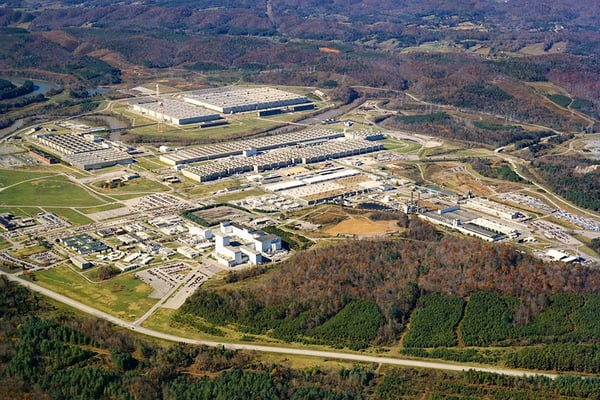
Tennessee has 12 facilities covered by the EEOICPA White Card program including the Oak Ridge National Laboratory (X-10) which holds historical importance as one of the three original sites in the Manhattan Project. In order to advance the project, the Oak Ridge Gaseous Diffusion Plant (K-25) and Y-12 Plant were constructed to investigate various techniques for enriching uranium.

Texas
Texas has 6 facilities covered by the EEOICPA White Card program including Pantex which is the primary nuclear weapons assembly and disassembly facility originally built as a conventional bomb plant. Texas is also a designated Uranium Worker State meaning certain uranium industry employment is covered under the Radiation Exposure Compensation Act (RECA) throughout the entire state.