

<img height="1" width="1" style="display:none" src="https://www.facebook.com/tr?id=3893277934228810&amp;ev=PageView&amp;noscript=1">

EEOICPA Benefits

We help you understand EEOICPA Part B & E, your tax-free compensation, free home healthcare and program eligibility.

EEOICPA Benefits Parts B & E Explained

EEOICPA = Energy Employees Occupational Illness Compensation Program Act

  • The U.S. Department of Labor (DOL), Office of Workers’ Compensation Programs (OWCP) administers EEOICPA claims as part of the federal workers’ compensation system.

  • The program provides tax-free compensation up to $400,000 and free home healthcare for approved conditions to eligible people who worked for the Department of Energy (DOE) or under DOE contracts at approved facilities.

  • Enacted by Congress in 2000 and effective in 2001, EEOICPA covers certain nuclear weapons program workers connected to the DOE and the former Atomic Energy Commission (AEC).

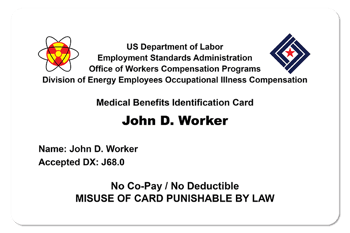
  • Often referred to as the "DOL White Card Program" or "EEOICPA White Card Program" because those who qualify receive a DOL-issued benefits card often referred to as a "White Card".

Who may qualify for the EEOICPA White Card Program?

People may qualify if they worked in roles tied to:

  • Atomic weapons production/testing

  • DOE operations

  • DOE-contracted work

  • and later developed an approved illness linked to workplace exposure

This can include:

  • DOE employees

  • DOE contractors/subcontractors

  • Workers involved in environmental remediation at covered facilities

  • The program can also provide benefits to eligible survivors when the covered worker is deceased

Two parts of EEOICPA

  • The EEOICPA White Card Program has two primary benefit parts referenced here: Part B and Part E.

  • Each part has different eligibility rules, approved illnesses, and types of compensation.

Part B (who it covers)

Part B provides tax-free compensation and free home healthcare for approved conditions for:

  • Current or former DOE employees

  • DOE contractor or subcontractor employees

  • Atomic Weapons Employer (AWE) employees

  • Certain uranium workers employed under the AEC between 1942–1990

Part B benefits

  • $150,000 tax-free compensation to eligible workers (or eligible survivors).

  • Free home healthcare for approved illnesses including coverage for related medical expenses such as visits, prescriptions, treatment, and travel for care.

Part B approved illnesses (examples)

Part B focuses on illnesses strongly associated with radiation exposure, including:

  • Cancer (various types)

  • Chronic beryllium disease (CBD)

  • Beryllium sensitivity

  • Silicosis (for certain uranium workers)

Part B eligibility (common categories)

  • DOE workers / contractors / subcontractors who worked at a covered DOE facility and developed an approved illness due to exposure at that facility.

  • AWE employees who worked for a private company producing/processing radioactive materials for nuclear weapons under U.S. government contract at a designated AWE facility, and developed a covered illness due to that work.

  • Uranium miners, millers, ore transporters, core drillers, or remediation workers (1942–1990) who have received compensation under RECA may qualify for an additional $50,000 plus free home healthcare for approved conditions.

Part E (who it covers)

Part E provides compensation and medical benefits for:

  • DOE contractor and subcontractor employees who worked at covered DOE facilities and developed illness due to toxic exposure (not limited to radiation).

Part E benefits

  • Impairment compensation based on the degree of permanent impairment. The stated schedule is $2,500 per 1% impairment, up to $250,000.

  • Wage-loss compensation may apply when the illness caused missed work or early retirement.

  • Free home healthcare for approved conditions and related care.

  • Survivor benefits if the worker died from an exposure-related illness, eligible survivors may receive up to $125,000, with possible additional amounts tied to wage-loss factors (as described).

Part E approved illnesses (examples)

Part E can cover a broad range of diseases caused by toxic exposures, including exposure to:

  • Radiation and chemicals/solvents/acids/metals

  • Asbestos-related conditions

  • Lung/respiratory disease (e.g., COPD, pulmonary fibrosis)

  • Kidney and liver disease

  • Heart disease (including from solvent exposure, as described)

  • Certain cancers

  • Neurological disorders

  • Chemical poisoning and systemic illnesses

  • Eligibility commonly depends on medical and work records supporting a likely connection between workplace exposure and the illness.

Does EEOICPA actually pay claims?

 Yes, and as of March 2026, over $27 billion has been paid in total settlements and medical bills paid. 

Official sources

Do You Qualify?

Up to $400,000

Free home healthcare

We can help guide you


Trusted Ally DOL White Card

Frequently Asked Questions

Q: What does EEOICPA stand for?

A: EEOICPA stands for the Energy Employees Occupational Illness Compensation Program.  

Q: Who runs the EEOICPA White Card Program?

A: The U.S. Department of Labor (DOL), Office of Workers’ Compensation Programs (OWCP), oversees EEOICPA claims.

Q: When did EEOICPA start? 

A: EEOICPA was enacted in 2000 and became effective in 2001.

Q: Who may qualify for EEOICPA White Card benefits?

A: You may qualify if you worked for the Department of Energy (DOE) or under a DOE contract at a covered facility and later developed an approved illness linked to exposures from that work. Some people who worked in atomic weapons production/testing and certain environmental remediation roles may also qualify.

Q: What are the two parts of EEOICPA covered on this page?

A: This page summarizes Part B and Part E. Part B focuses on certain illnesses strongly linked to radiation exposure and includes a $150,000 lump-sum payment plus medical benefits. Part E can cover illness from toxic exposures (not just radiation) for DOE contractors/subcontractors and can include impairment and wage-loss compensation plus medical benefits.

Q: What does Part B pay?

A: Part B provides a $150,000 tax-free compensation to eligible workers (or eligible survivors) and free home healthcare for approved illnesses.

Q: What illnesses are covered under Part B (examples)? 

A: Part B commonly covers various cancers, chronic beryllium disease (CBD), beryllium sensitivity, and silicosis (for certain uranium miners).

Q: Who is eligible for Part B?

A: Part B may apply to (1) DOE workers and DOE contractor/subcontractor employees, (2) Atomic Weapons Employer (AWE) employees at designated AWE facilities, and (3) certain uranium workers employed under the Atomic Energy Commission (AEC) between 1942 and 1990, including people who received compensation under RECA.

Q: What does Part E pay?

A: Part E may provide compensation for permanent impairment (described as $2,500 per 1% impairment, up to $250,000), possible wage-loss compensation, and medical benefits for approved conditions.

Q: What illnesses are covered under Part E (examples)? 

A: Part E can cover a wide range of illnesses linked to toxic exposures, including asbestos-related conditions, lung and respiratory diseases (like COPD or pulmonary fibrosis), kidney and liver disease, heart disease (from solvent exposure), certain cancers, neurological disorders, and chemical poisoning or other systemic illnesses.

Q: Can family members get benefits if the worker has died?

A: Yes. If the worker is deceased, eligible survivors (often spouses and/or children) may qualify for compensation, depending on the claim details and whether the illness can be linked to covered exposure. Part E survivor benefits may include up to $125,000 (and may include additional amounts tied to wage loss, depending on the case).

Q: Does EEOICPA actually pay claims? 

A: Yes and as of March 2026, over $27 billion has been paid in total settlements and medical bills.

Areas We Serve


Trusted Ally Is Proud To Serve American Heroes

Colorado, Nevada, New Mexico, South Carolina, Georgia, Tennessee and Texas.
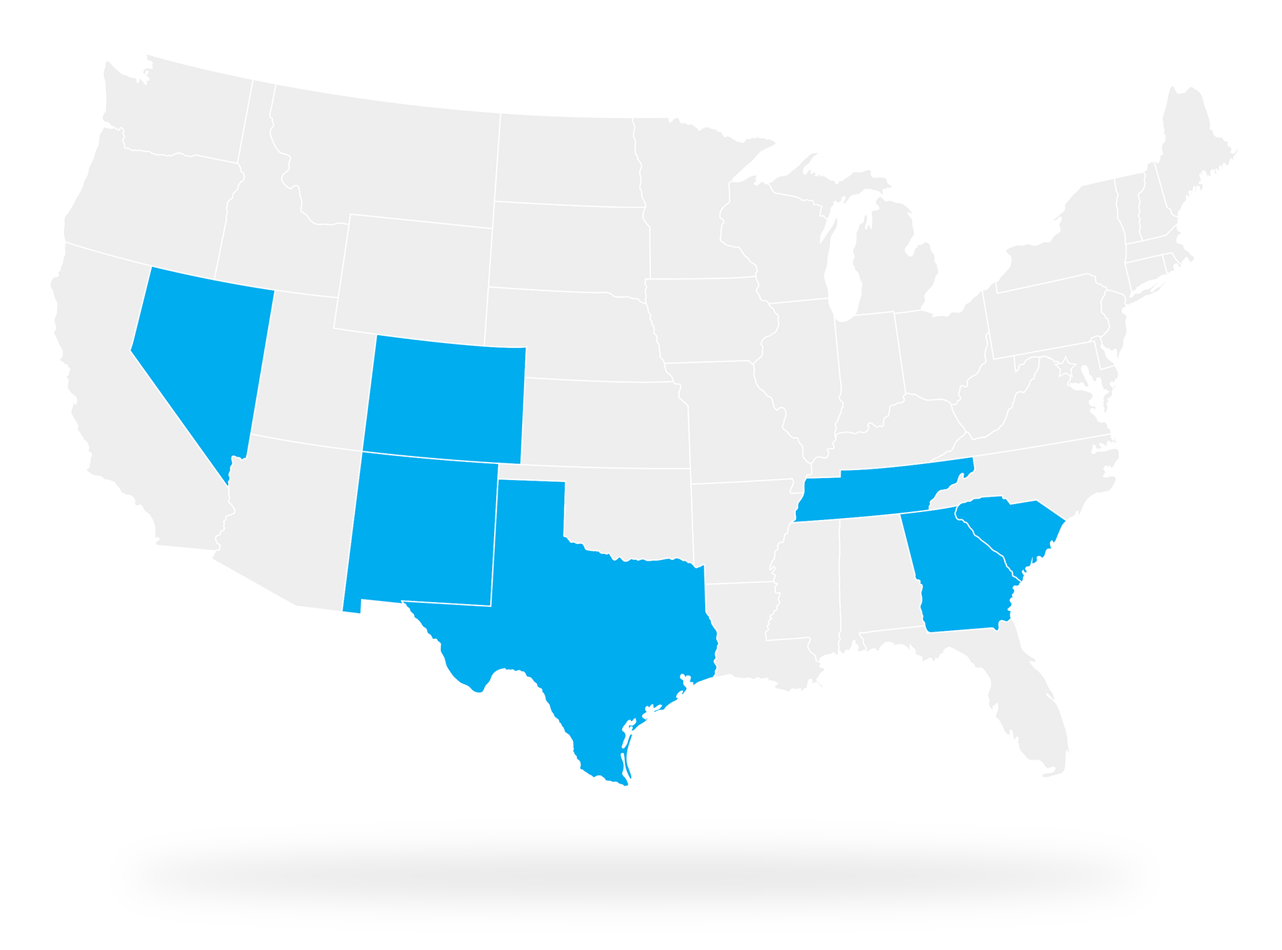
Trusted Ally Areas We Serve


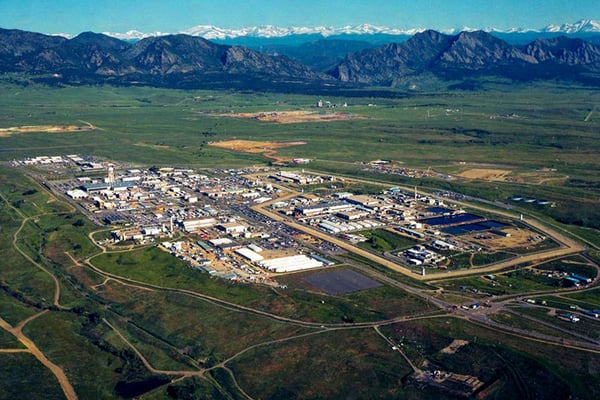
Colorado

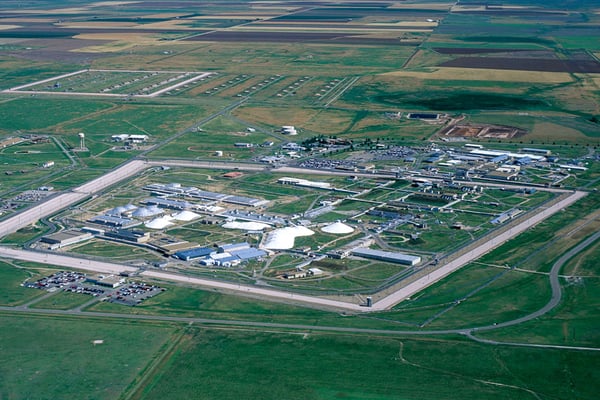
Colorado has 17 facilities covered by the EEOICPA White Card Program including the Rocky Flats Plant, which played a vital role in producing nuclear weapons parts, such as plutonium and uranium. Colorado is also a designated Uranium Worker State meaning certain uranium industry employment is covered under the Radiation Exposure Compensation Act (RECA) throughout the entire state.

Trusted Ally Serves Colorado

Nevada

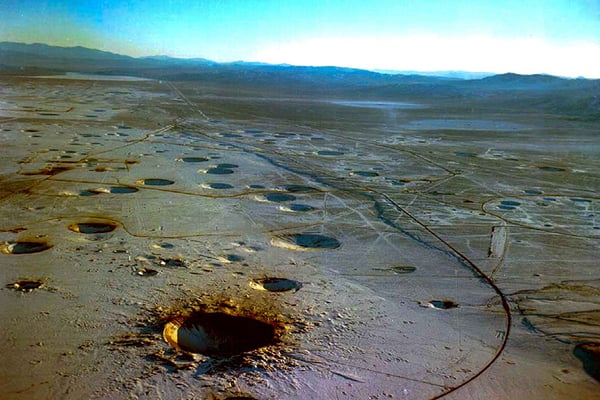
Nevada has 6 locations covered by the EEOICPA White Card program including the Nevada Test Site, also known as the Nevada National Security Site which was established in 1951 for testing nuclear weapons. Nevada also has 6 designated Downwinder Areas meaning certain counties downwind from the Nevada Test Site are covered under the Radiation Exposure Compensation Act (RECA).

Trusted Ally Serves Nevada

New Mexico

New Mexico has 18 facilities covered by the EEOICPA White Card program including the Los Alamos National Laboratory. New Mexico is also a designated Uranium Worker State meaning certain uranium industry employment is covered under the Radiation Exposure Compensation Act (RECA) throughout the entire state. Uranium mining played a large role from the early 1950s to the early 1980s.
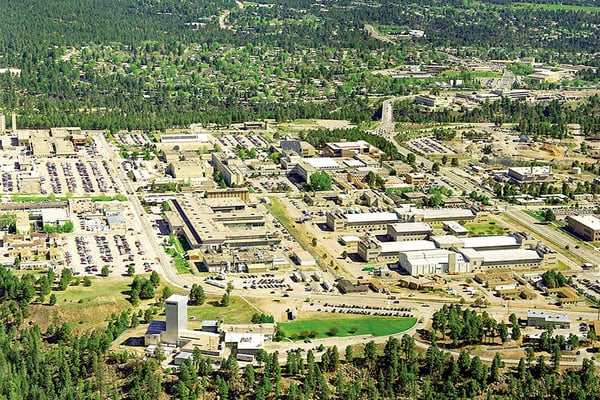
Trusted Ally Serves New Mexico

South Carolina

South Carolina has 1 facility covered by the EEOICPA White Card program which is the Savannah River Site (SRS). This site performed multiple operations that played a vital role in the nuclear weapons complex including the production of plutonium and tritium. Many facilities were built at SRS to support these efforts and to address the resulting environmental impacts.

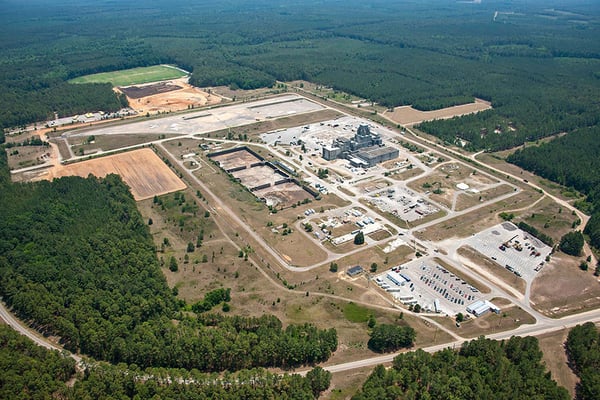
Trusted Ally Serves South Carolina

Georgia

Georgia does not technically have any EEOICPA facilities, but we serve this state due to the proximity of the Savannah River Site (SRS) located in Aiken, SC. This site performed operations that played a vital role in the nuclear weapons complex including the production of plutonium and tritium. Many facilities were built at SRS to support these efforts and to address the resulting environmental impacts.

Trusted Ally Serves South Carolina

Tennessee

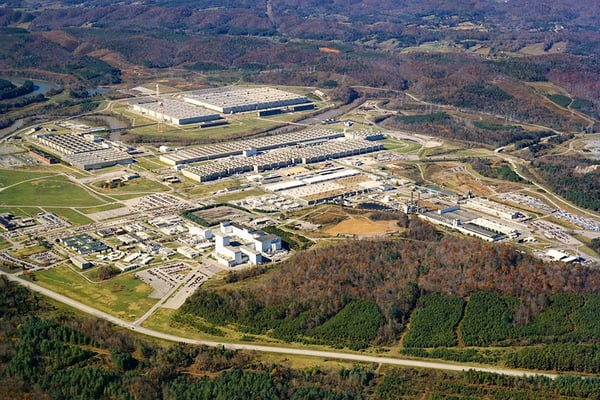
Tennessee has 12 facilities covered by the EEOICPA White Card program including the Oak Ridge National Laboratory (X-10) which holds historical importance as one of the three original sites in the Manhattan Project. In order to advance the project, the Oak Ridge Gaseous Diffusion Plant (K-25) and Y-12 Plant were constructed to investigate various techniques for enriching uranium. 

Trusted Ally Serves Tennessee

Texas

Texas has 6 facilities covered by the EEOICPA White Card program including Pantex which is the primary nuclear weapons assembly and disassembly facility originally built as a conventional bomb plant. Texas is also a designated Uranium Worker State meaning certain uranium industry employment is covered under the Radiation Exposure Compensation Act (RECA) throughout the entire state.

Trusted Ally Serves Texas

Subscribe to Trusted Ally news

Receive updates on the EEOICPA White Card Program and Radiation Exposure Compensation Act (RECA) by signing up here.

What clients, family members and employees say