
6 min read
Trusted Ally is now open in South Carolina for EEOICPA benefits
Image: A final radioactivity monitoring check is made by a health physicist (left) on a spherical shipping cask before...

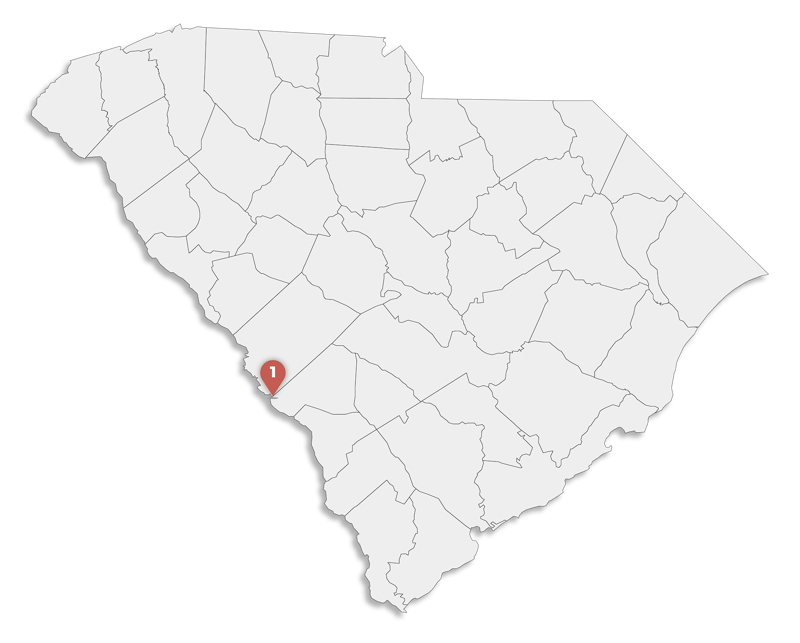
South Carolina has 1 facility covered by the EEOICPA White Card Program which is the Savannah River Site.
To receive Trusted Ally care in South Carolina, you simply need to reside here. Your employment may have occurred at any approved EEOICPA location nationwide.

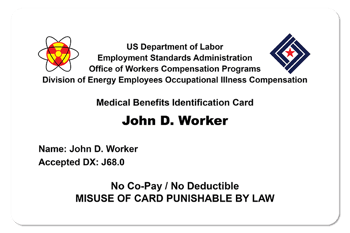
 (SEC) = The Special Exposure Cohort. This is a defined category of employees established under the EEOICPA White Card Program. The SEC is comprised of classes of employees who have at least one of the 22 SEC cancers and have worked for a specific period of time at one of the SEC facilities. Claims compensated under the SEC do not have to go through the dose reconstruction process, as is required for other cancer claims covered by the EEOICPA White Card Program.
The Savannah River Site (SRS) performed multiple operations that played a vital role in the nuclear weapons complex including the production of plutonium and tritium. Many facilities were built at SRS to support these efforts and to address the resulting environmental impacts.
Trusted Ally Home Care
1204 Whiskey Rd, Suite A
Aiken, SC 29803
A: Trusted Ally provides comprehensive EEOICPA services throughout South Carolina including benefits navigation and claims support, skilled nursing, home health aides, family health aides, case management, and Healthgevity Personal Wellness. All services are available at no cost to eligible EEOICPA beneficiaries with covered conditions.
A: To receive Trusted Ally care in South Carolina, you simply need to reside here. Your employment may have occurred at any approved EEOICPA location nationwide. South Carolina residents who worked at the Savannah River Site (SRS), the only EEOICPA-approved facility in South Carolina, or at any other covered DOE or AWE facility nationwide may qualify. Both workers and eligible survivors may qualify for tax-free compensation and medical benefits.
A: The Savannah River Site (SRS) near Aiken is the only EEOICPA-approved facility located in South Carolina. SRS is one of the largest and most significant nuclear materials production facilities in the nation's history. However, South Carolina residents who worked at covered facilities in other states may also qualify for EEOICPA benefits and home healthcare services from Trusted Ally.
A: If you worked at the Savannah River Site or as a DOE contractor at SRS, and you developed an approved illness linked to radiation or toxic exposure, you may be eligible. South Carolina residents who worked at covered facilities in other states may also qualify. Contact Trusted Ally at 1-866-286-6426 for a free eligibility review of your work history and health condition.
A: Yes! Through our Family Health Aide program, eligible family members can be trained, hired, and compensated with competitive W2 wages and full benefits when they serve as caregivers for South Carolina EEOICPA beneficiaries. This allows your loved one to receive care from someone they trust while the family caregiver receives professional support and fair compensation.
A: Yes. For approved EEOICPA beneficiaries with covered conditions, all home healthcare services including skilled nursing, home health aides, family health aides, case management, and Healthgevity Personal Wellness are provided at no cost through the EEOICPA White Card Program. There are no copays, deductibles, or out-of-pocket expenses.
A: The Savannah River Site (SRS), located near Aiken, South Carolina, is a major Department of Energy facility that has been producing nuclear materials for national defense since the 1950s. SRS played a critical role in producing plutonium and tritium for nuclear weapons during the Cold War and continues environmental cleanup and nuclear materials management today. The Savannah River Site is the only EEOICPA-covered facility in South Carolina, and workers who were employed there may qualify for compensation and medical benefits for covered illnesses related to radiation and toxic exposure.
A: The Savannah River Site performed nuclear materials production including plutonium and tritium production for nuclear weapons, spent nuclear fuel processing and reprocessing, radioactive waste management and storage, heavy water production, nuclear reactor operations, and environmental remediation. Workers in all these areas and supporting roles may be eligible for EEOICPA benefits if they developed covered illnesses.
A: Yes, contractor and subcontractor employees at the Savannah River Site may qualify for EEOICPA benefits. This includes employees of companies like DuPont, Westinghouse Savannah River Company, Washington Savannah River Company, and many other contractors and subcontractors who worked at SRS. You should report all employment at the site, regardless of which company employed you.
A: If you now reside in South Carolina but worked at covered EEOICPA facilities in other states (such as Oak Ridge, Hanford, Rocky Flats, Pantex, Y-12, or any other DOE or AWE facility), you may still qualify for EEOICPA benefits and can receive home healthcare services from Trusted Ally in South Carolina. You simply need to reside in South Carolina to receive our care, regardless of where your employment occurred.
A: If you worked at multiple covered facilities, whether at the Savannah River Site and other locations, you should report all of your employment history when filing your EEOICPA claim. Working at multiple sites may strengthen your claim and could affect your compensation eligibility. Trusted Ally can help you document all relevant employment nationwide.
A: Covered illnesses include 22 specified cancers (lung, liver, colon, kidney, thyroid, breast, leukemia, lymphoma, and others), chronic beryllium disease, beryllium sensitivity, silicosis, chronic obstructive pulmonary disease (COPD), pulmonary fibrosis, and other illnesses that can be linked to radiation or toxic exposure through medical evidence.
A: Eligible South Carolina workers may receive up to $400,000 in tax-free compensation depending on their illness and exposure history. EEOICPA provides compensation under Part B (up to $150,000 for radiation-related cancers or beryllium disease) and Part E (up to $250,000 for illnesses caused by toxic exposure). Workers may qualify for one or both parts of the program.
A: Contact Trusted Ally at 1-866-286-6426 to speak with a South Carolina EEOICPA specialist. We'll review your work history at the Savannah River Site or any other covered facilities nationwide, help determine your eligibility, guide you through the claims process if needed, and connect you with home healthcare services once your benefits are approved.
A: Absolutely. Our team specializes exclusively in EEOICPA benefits and has extensive experience with the unique health challenges facing former Savannah River Site workers and other nuclear industry employees. We understand the specific exposures at SRS, covered conditions, and Department of Labor requirements for South Carolina claimants.
A: Trusted Ally specializes exclusively in EEOICPA benefits and deeply understands South Carolina's nuclear materials production history at the Savannah River Site. We provide personalized, local support throughout the state, expert knowledge of Department of Labor requirements, comprehensive care from claims to home healthcare, and a commitment to honoring the service and sacrifice of South Carolina's nuclear workers.
A: Yes. Eligible survivors, including spouses and children of deceased South Carolina nuclear workers who developed covered illnesses, may qualify for survivor benefits under EEOICPA Part E. Survivors can receive compensation and may access certain support services. Contact Trusted Ally to discuss your specific situation.
A: It's never too late to apply for EEOICPA benefits. There is no time limit for filing a claim. Many Savannah River Site workers are just now learning about their eligibility for benefits. Even if you worked at SRS decades ago, if you have developed a covered illness, you should contact Trusted Ally at 1-866-286-6426 to explore your eligibility.
A: If your EEOICPA claim was previously denied, you may have options to appeal or refile, especially if you have additional medical evidence or if new information about exposure at the Savannah River Site has become available. Contact Trusted Ally for guidance on next steps. We can help you understand why your claim was denied and work with you to strengthen your case.
A: The EEOICPA claims timeline varies depending on the complexity of your case and how quickly documentation can be gathered. Simple claims with complete documentation may be processed in several months, while more complex cases can take a year or longer. Working with Trusted Ally can help expedite the process by ensuring all necessary documentation is submitted properly from the start.
A: Essential documentation includes proof of employment at the Savannah River Site or another covered facility (pay stubs, W-2 forms, badges, employment verification letters), dates of employment, medical records documenting your diagnosis, and if possible, information about your job duties and potential exposures. Trusted Ally can help you gather all necessary documentation to support your claim.
A: Yes. Trusted Ally proudly serves EEOICPA beneficiaries throughout the entire state of South Carolina, including Aiken, Columbia, Charleston, Greenville, Spartanburg, North Augusta, Rock Hill, Mount Pleasant, Summerville, and all surrounding communities. Our team understands the unique history of South Carolina's nuclear materials production at the Savannah River Site.
A: South Carolina played a vital role in the Cold War nuclear weapons program through the Savannah River Site. Beginning in the 1950s, SRS became one of the nation's primary facilities for producing plutonium-239 and tritium, essential materials for nuclear weapons. The site operated five nuclear reactors and numerous processing facilities to support the nation's nuclear deterrent. Thousands of South Carolina workers contributed to national security and may now be eligible for EEOICPA compensation and medical benefits.
A: Yes. Workers involved in environmental cleanup and remediation activities at the Savannah River Site may be covered under EEOICPA if they were employed by DOE or a covered contractor and developed a covered illness related to radiation or toxic exposure. This includes workers involved in tank farm operations, waste processing, decontamination and decommissioning, and environmental restoration.
A: Savannah River Site workers potentially faced exposure to various radioactive materials including plutonium, tritium, uranium, cesium, and strontium, as well as toxic chemicals including solvents, heavy metals (mercury, lead), asbestos, beryllium, and various industrial chemicals. The specific exposures varied depending on job duties, work locations, and time periods of employment.
A: Yes. There is no minimum employment period required to qualify for EEOICPA benefits. Even brief employment at the Savannah River Site may qualify you for benefits if you developed a covered illness that can be linked to your workplace exposure. Contact Trusted Ally to review your specific work history and health condition.
A: A Special Exposure Cohort (SEC) is a class of employees at covered facilities who may qualify for streamlined compensation for certain cancers without needing to prove radiation dose. Some Savannah River Site workers may be part of an SEC designation depending on their job duties, work locations, and time periods of employment. Trusted Ally can help you determine if you qualify under an SEC designation.
A: Trusted Ally helps Savannah River Site workers maximize their benefits by conducting thorough eligibility reviews, helping document all relevant employment history and exposures, coordinating with physicians for medical evidence and causation opinions, ensuring claims are filed completely and accurately, responding to Department of Labor requests promptly, assisting with appeals if necessary, and connecting you with comprehensive home healthcare services once approved.
Receive updates on the EEOICPA White Card Program and Radiation Exposure Compensation Act (RECA) by signing up here.
Mar 23, 2026 by Trusted Ally Staff
Sep 11, 2026 by Trusted Ally Staff
Sep 4, 2026 by Trusted Ally Staff
Aug 28, 2026 by Trusted Ally Staff
Aug 19, 2026 by Trusted Ally Staff
Aug 13, 2026 by Trusted Ally Staff
Aug 7, 2026 by Trusted Ally Staff
Jul 31, 2026 by Trusted Ally Staff
Jul 27, 2026 by Trusted Ally Staff
Jun 12, 2026 by Trusted Ally Staff
May 28, 2026 by Trusted Ally Staff
May 15, 2026 by Trusted Ally Staff
Apr 27, 2026 by Trusted Ally Staff
Apr 16, 2026 by Trusted Ally Staff
Apr 6, 2026 by Trusted Ally Staff
Mar 30, 2026 by Trusted Ally Staff
Mar 23, 2026 by Trusted Ally Staff
Mar 6, 2026 by Trusted Ally Staff
Jan 29, 2026 by Trusted Ally Staff
Jan 23, 2026 by Trusted Ally Staff
Jan 8, 2026 by Trusted Ally Staff
Jan 8, 2026 by Trusted Ally Staff
Dec 12, 2025 by Trusted Ally Staff
Dec 2, 2025 by Trusted Ally Staff
Nov 21, 2025 by Trusted Ally Staff
Oct 1, 2025 by Trusted Ally Staff
May 30, 2025 by Trusted Ally Staff
May 9, 2025 by Trusted Ally Staff
May 1, 2025 by Trusted Ally Staff
Apr 25, 2025 by Trusted Ally Staff
Apr 18, 2025 by Trusted Ally Staff
Apr 11, 2025 by Trusted Ally Staff
Apr 4, 2025 by Trusted Ally Staff
Mar 28, 2025 by Trusted Ally Staff
Mar 21, 2025 by Trusted Ally Staff
Mar 17, 2025 by Trusted Ally Staff
Mar 7, 2025 by Trusted Ally Staff
Feb 28, 2025 by Trusted Ally Staff
Feb 28, 2025 by Trusted Ally Staff
Feb 24, 2025 by Trusted Ally Staff
Feb 24, 2025 by Trusted Ally Staff
Oct 2, 2024 by Trusted Ally Staff
Sep 25, 2024 by Trusted Ally Staff
Sep 3, 2024 by Trusted Ally Staff
Jul 29, 2024 by Trusted Ally Staff
Jul 3, 2024 by Trusted Ally Staff
Mar 4, 2024 by Trusted Ally Staff
Mar 1, 2024 by Trusted Ally Staff