
Are Trusted Ally Home Health Aides required to pass background checks?
Trusted Ally Home Health Aides undergo rigorous background verification through both DORA (Department of Regulatory Agencies) and CAPS (Colorado Adult Protective Services Background System). These comprehensive checks ensure that every caregiver meets the highest standards of safety, ethics, and professional conduct.
With these safeguards in place, our clients can feel confident that the caregivers entering their homes are not only trustworthy but also exceptionally qualified to deliver services through the EEOICPA White Card Program. Our aides are trained to support clients with complex medical needs, and their verified credentials reflect a commitment to excellence, compassion, and integrity in every aspect of care.
Do Trusted Ally Home Health Aides provide assistance with daily living?
Trusted Ally Home Health Aides provide hands-on support with daily personal care like bathing, dressing and grooming. They prepare nutritious meals, offer gentle reminders for medications, and keep living spaces clean and safe with light housekeeping. For those with mobility challenges, our aides assist with walking and positioning to promote independence and prevent injury. Just as important, they offer genuine emotional support to ease loneliness and help clients feel truly cared for.
How do Trusted Ally Home Health Aides collaborate with my clinical team?
Trusted Ally Home Health Aides are trained to work in close coordination with your Skilled Nurses, treating physicians and the personalized Plan of Care outlined for your EEOICPA benefits. They understand how to follow medical instructions, communicate changes in your condition and support the clinical team’s goals. Aides ensure every aspect of your health is managed with consistency while keeping everyone aligned. Our aides help you feel secure, supported, and empowered to live comfortably and confidently in your own home.
Frequently Asked Questions
Q: What is a home health aide under EEOICPA?
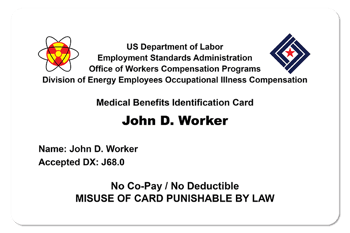
A: A home health aide under EEOICPA is a trained caregiver who provides non-medical assistance with activities of daily living in your home for beneficiaries approved for medical benefits through the Energy Employees Occupational Illness Compensation Program. This service is provided at no cost to eligible workers and survivors who have covered conditions.
Q: Who qualifies for EEOICPA home health aide services?
A: Beneficiaries who have been approved for EEOICPA medical benefits and require assistance with daily living activities may qualify for home health aide services. This includes former DOE workers, contractors, subcontractors, and eligible survivors who need support managing their daily routines due to illnesses linked to workplace exposure.
Q: What services do home health aides provide?
A: Home health aides provide compassionate, non-medical support including assistance with bathing, dressing, and personal grooming; help with toileting and incontinence care; meal preparation and feeding assistance; light housekeeping and laundry; medication reminders; mobility assistance and transferring; transportation to appointments; and companionship and emotional support.
Q: How is a home health aide different from skilled nursing?
A: Home health aides provide non-medical personal care and assistance with activities of daily living such as bathing, dressing, and meal preparation. Skilled nurses provide clinical medical care that requires a licensed professional, such as administering medications, wound care, IV therapy, and managing complex health conditions. Both services can work together as part of a comprehensive EEOICPA care plan.
Q: Are home health aide services covered at no cost under EEOICPA?
A: Yes. For approved EEOICPA beneficiaries with covered conditions, home health aide services are provided at no cost through the EEOICPA White Card Program. There are no copays, deductibles, or out-of-pocket expenses for approved home healthcare services.
Q: How many hours of home health aide care can I receive?
A: The number of hours of home health aide care is determined by your physician and care plan based on your individual needs. Your Trusted Ally Case Manager works with your healthcare team and the Department of Labor to ensure your care plan meets federal guidelines and provides the support you need to remain safe and comfortable at home.
Q: Do I need a doctor's order for home health aide services?
A: Yes. Home health aide services under EEOICPA require a physician's order and an individualized Plan of Care that outlines your personal care needs and the frequency of aide visits. Trusted Ally works with your physician to develop and maintain this care plan.
Q: Can my home health aide help with housekeeping and errands?
A: Yes. Home health aides can assist with light housekeeping tasks that directly support your health and safety, such as tidying living areas, doing laundry, changing bed linens, and meal preparation. They can also provide transportation assistance to medical appointments and help with grocery shopping when included in your approved care plan.
Q: Can I choose my home health aide?
A: Trusted Ally works to match you with a home health aide who fits your needs, preferences, and schedule. We understand the importance of comfort and trust in the caregiver relationship and strive to provide consistent, compassionate caregivers who respect your dignity and independence.
Q: Are Trusted Ally home health aides employees or contractors?
A: Trusted Ally home health aides are valued W2 employees, not temporary contractors. They are trained professionals who receive comprehensive training on EEOICPA program requirements and the unique needs of former nuclear and energy workers. Our aides build lasting relationships with clients and provide reliable, compassionate care.
Q: What if my care needs change over time?
A: Your home health aide care plan can be adjusted as your needs change. Trusted Ally's Case Managers continuously assess your condition and work with your physician to modify your care plan, increase or decrease hours of care, or add additional services such as skilled nursing or family health aide support as needed.
Q: Can I have both a home health aide and a family member as a caregiver?
A: Yes! Many EEOICPA beneficiaries benefit from a combination of professional home health aide services and family caregivers through our Family Health Aide program. This allows family members to be trained, hired, and compensated as paid caregivers while professional aides provide additional support. Trusted Ally coordinates all aspects of your care for comprehensive support.
Q: How do home health aides support independence?
A: Home health aides help you maintain your independence and quality of life by assisting with daily tasks that may have become difficult due to your condition. They provide just the right amount of support to help you stay in your own home safely and comfortably, while encouraging you to do as much as you can for yourself.
Q: How do I get started with home health aide services?
A: If you're already approved for EEOICPA medical benefits, contact Trusted Ally at 1-866-286-6426 to discuss your need for home health aide services. We'll work with your physician to develop a care plan and coordinate with the Department of Labor for approval. If you haven't yet applied for EEOICPA benefits, we can help guide you through the entire process.
Q: What states does Trusted Ally provide home health aide services?
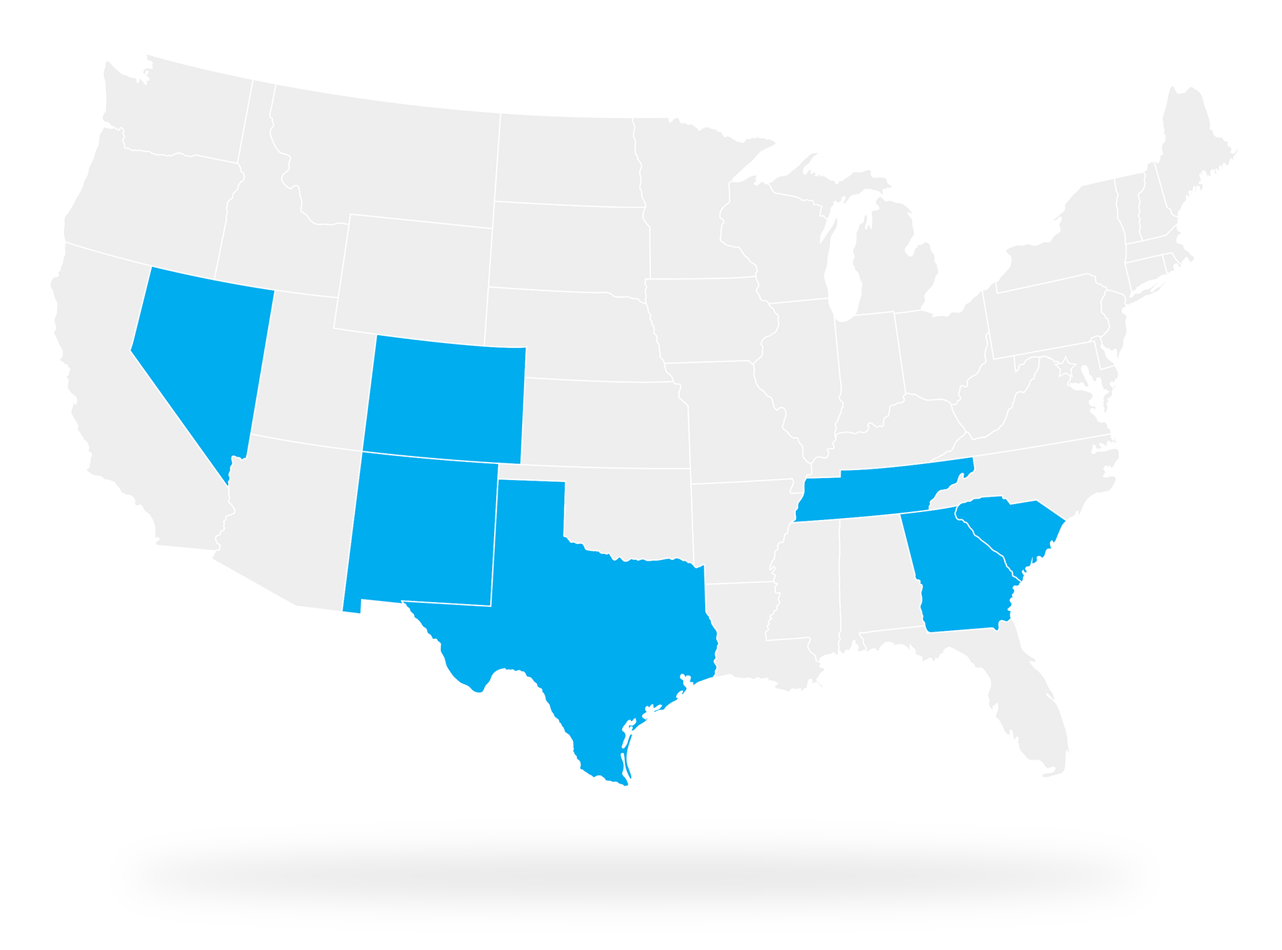
A: Trusted Ally provides home health aide services for EEOICPA beneficiaries in Colorado, Nevada, New Mexico, Texas, Tennessee, South Carolina, and Georgia. Our aides are experienced in caring for former nuclear and energy workers with covered conditions.
Q: Are Trusted Ally's home health aides experienced with EEOICPA patients?
A: Yes. Trusted Ally specializes exclusively in EEOICPA benefits and care. Our home health aides receive specialized training on the unique conditions affecting former nuclear and energy workers, understand the challenges these illnesses present, and provide compassionate, person-centered care that honors the service and sacrifices of those who helped power our nation.
Areas We Serve

Colorado, Nevada, New Mexico, South Carolina, Georgia, Tennessee and Texas.
Colorado
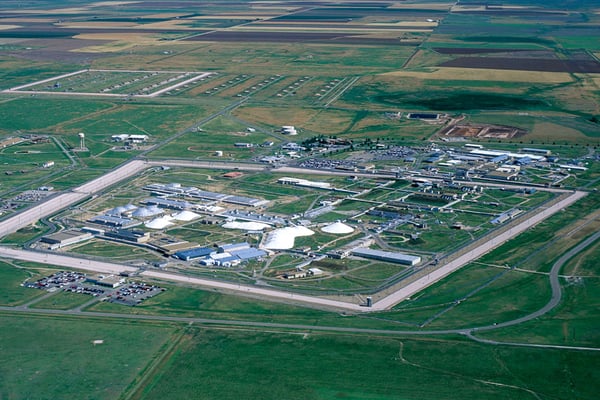
Colorado has 17 facilities covered by the EEOICPA White Card Program including the Rocky Flats Plant, which played a vital role in producing nuclear weapons parts, such as plutonium and uranium. Colorado is also a designated Uranium Worker State meaning certain uranium industry employment is covered under the Radiation Exposure Compensation Act (RECA) throughout the entire state.
Nevada
Nevada has 6 locations covered by the EEOICPA White Card program including the Nevada Test Site, also known as the Nevada National Security Site which was established in 1951 for testing nuclear weapons. Nevada also has 6 designated Downwinder Areas meaning certain counties downwind from the Nevada Test Site are covered under the Radiation Exposure Compensation Act (RECA).
New Mexico
New Mexico has 18 facilities covered by the EEOICPA White Card program including the Los Alamos National Laboratory. New Mexico is also a designated Uranium Worker State meaning certain uranium industry employment is covered under the Radiation Exposure Compensation Act (RECA) throughout the entire state. Uranium mining played a large role from the early 1950s to the early 1980s.

South Carolina
South Carolina has 1 facility covered by the EEOICPA White Card program which is the Savannah River Site (SRS). This site performed multiple operations that played a vital role in the nuclear weapons complex including the production of plutonium and tritium. Many facilities were built at SRS to support these efforts and to address the resulting environmental impacts.
Georgia
Georgia does not technically have any EEOICPA facilities, but we serve this state due to the proximity of the Savannah River Site (SRS) located in Aiken, SC. This site performed operations that played a vital role in the nuclear weapons complex including the production of plutonium and tritium. Many facilities were built at SRS to support these efforts and to address the resulting environmental impacts.

Tennessee
Tennessee has 12 facilities covered by the EEOICPA White Card program including the Oak Ridge National Laboratory (X-10) which holds historical importance as one of the three original sites in the Manhattan Project. In order to advance the project, the Oak Ridge Gaseous Diffusion Plant (K-25) and Y-12 Plant were constructed to investigate various techniques for enriching uranium.
Texas
Texas has 6 facilities covered by the EEOICPA White Card program including Pantex which is the primary nuclear weapons assembly and disassembly facility originally built as a conventional bomb plant. Texas is also a designated Uranium Worker State meaning certain uranium industry employment is covered under the Radiation Exposure Compensation Act (RECA) throughout the entire state.
Subscribe to Trusted Ally news
Receive updates on the EEOICPA White Card Program and Radiation Exposure Compensation Act (RECA) by signing up here.
What clients, family members and employees say