Frequently Asked Questions
Q: What is a Family Health Aide under EEOICPA?
A: A Family Health Aide is a unique caregiver option under the EEOICPA White Card Program that allows family members to be trained, hired, and compensated as paid caregivers for their loved ones. This program enables family members to provide personal care and support while receiving professional training, supervision, and a steady income through the EEOICPA benefits program at no cost to the beneficiary.
Q: Who can become a Family Health Aide?
A: Family members of EEOICPA beneficiaries who are willing and able to provide care can become Family Health Aides. This typically includes adult children, spouses, siblings, or other close relatives who want to care for their loved one at home. Candidates must pass background checks, complete required training, and be approved through the EEOICPA program.
Q: What are the benefits of having a family member as my caregiver?
A: Having a family member serve as your Family Health Aide offers numerous benefits including the comfort of receiving care from someone you know and trust, continuity of care with a familiar caregiver who understands your needs and preferences, keeping the family together and avoiding outside caregivers, financial support for family members who dedicate their time to caregiving, and the peace of mind that comes from being cared for by a loved one.
Q: How does a family member get paid as a Family Health Aide?
A: Once approved and trained, Family Health Aides are hired as W2 employees of Trusted Ally and receive regular paychecks for the hours they provide care. The family caregiver receives professional employment benefits including workers' compensation coverage, payroll tax withholding, and documented employment history.
Q: What training do Family Health Aides receive?
A: Family Health Aides receive comprehensive training on personal care techniques, infection control and safety procedures, proper body mechanics and safe transfers, understanding and following the Plan of Care, medication reminders and management, documentation and communication with the healthcare team, and recognizing changes in condition that need medical attention. This training ensures family caregivers are prepared to provide safe, effective care.
Q: What services can Family Health Aides provide?
A: Family Health Aides provide the same non-medical personal care services as professional home health aides, including assistance with bathing, dressing, and grooming; help with toileting and incontinence care; meal preparation and feeding assistance; light housekeeping and laundry; medication reminders; mobility assistance and transfers; companionship and emotional support; and coordination with the healthcare team.
Q: Is the Family Health Aide program covered at no cost under EEOICPA?
A: Yes. For approved EEOICPA beneficiaries with covered conditions, the Family Health Aide program is provided at no cost through the EEOICPA White Card Program. The beneficiary pays nothing out of pocket, and the family caregiver receives compensation directly from Trusted Ally as a W2 employee.
Q: How many hours can a Family Health Aide work?
A: The number of hours a Family Health Aide can work is determined by the beneficiary's physician and care plan based on individual care needs. Your Trusted Ally Case Manager works with your healthcare team and the Department of Labor to establish an appropriate care schedule that meets federal guidelines and ensures your loved one receives the support they need.
Q: Do Family Health Aides need a doctor's order to provide care?
A: Yes. Like all EEOICPA home healthcare services, Family Health Aide care requires a physician's order and an individualized Plan of Care that outlines the beneficiary's personal care needs and the frequency of aide visits. Trusted Ally works with your physician to develop and maintain this care plan.
Q: Can I have both a Family Health Aide and professional caregivers?
A: Yes! Many EEOICPA beneficiaries benefit from a combination of Family Health Aide care and professional home health aides or skilled nursing services. This provides flexibility and ensures comprehensive support. For example, a family member might provide care during the week while professional caregivers provide respite on weekends, or skilled nurses handle medical care while family members assist with daily living activities.
Q: What support does Trusted Ally provide to Family Health Aides?
A: Trusted Ally provides ongoing support to Family Health Aides including comprehensive training and supervision from experienced Case Managers, 24/7 access to clinical support and guidance, coordination with the beneficiary's healthcare team, documentation assistance and care plan updates, and regular check-ins to ensure both the caregiver and beneficiary are thriving. We're here to help family caregivers succeed.
Q: Does the family caregiver need to live with the EEOICPA beneficiary?
A: No. Family Health Aides do not need to live with the beneficiary. They can provide scheduled care visits just like professional home health aides, coming to the beneficiary's home for specified hours as outlined in the approved care plan. However, family members who do live with the beneficiary can also serve as Family Health Aides.
Q: What happens if the Family Health Aide needs time off?
A: If your Family Health Aide needs time off, Trusted Ally can arrange backup care with professional home health aides to ensure continuity of care. This provides peace of mind for both the family caregiver and the beneficiary, knowing that care will always be available even when the family member needs a break.
Q: How does the Family Health Aide program reduce caregiver burden?
A: The Family Health Aide program significantly reduces caregiver burden by providing financial compensation so family members don't have to choose between caregiving and earning a living, offering professional training to increase confidence and competence, supplying clinical support and supervision to prevent burnout, ensuring respite care options when family caregivers need rest, and validating the important work family caregivers do through professional recognition and support.
Q: How do I get started with the Family Health Aide program?
A: If you're already approved for EEOICPA medical benefits and have a family member interested in becoming your caregiver, contact Trusted Ally at 1-866-286-6426. We'll explain the program requirements, coordinate with your physician to develop a care plan, assist with background checks and training for your family member, and work with the Department of Labor for program approval. If you haven't yet applied for EEOICPA benefits, we can help guide you through the entire process.
Q: What states does Trusted Ally offer the Family Health Aide program?
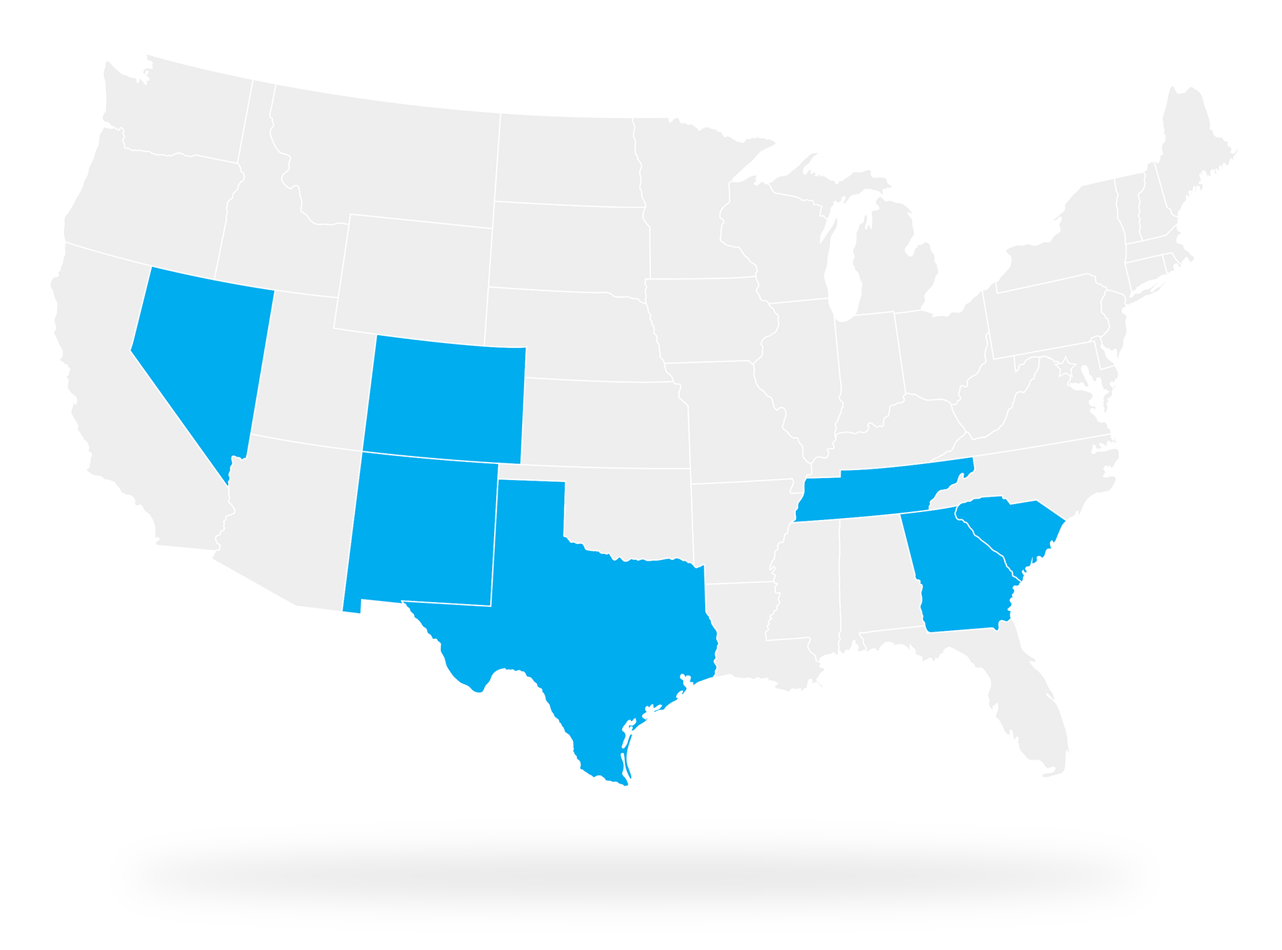
A: Trusted Ally provides the Family Health Aide program for EEOICPA beneficiaries in Colorado, Nevada, New Mexico, Texas, Tennessee, South Carolina, and Georgia. Our Case Managers have extensive experience supporting family caregivers and understand the unique needs of former nuclear weapons program workers.
Q: Can multiple family members serve as Family Health Aides for one beneficiary?
A: In some cases, multiple family members can share caregiving responsibilities as Family Health Aides, depending on the beneficiary's care needs and the approved care plan. This can provide flexibility and prevent caregiver burnout. Trusted Ally works with your healthcare team and the Department of Labor to determine the most appropriate care arrangement for your situation.
Q: What makes Trusted Ally's Family Health Aide program unique?
A: Trusted Ally's Family Health Aide program stands out because we pay more than industry standard and treat family caregivers as valued W2 employees, not contractors. Family Health Aides receive comprehensive benefits including 401K retirement savings, medical insurance, dental and vision insurance, health savings account, basic life/AD&D plan, employee assistance program, accident insurance, paid sick leave, FMLA protection, holiday pay, employee referral bonuses, and overtime pay when applicable. Beyond competitive compensation and benefits, we specialize exclusively in EEOICPA care and provide specialized training on the unique health conditions affecting former nuclear and energy workers, comprehensive support for family caregivers, seamless coordination with the Department of Labor and healthcare providers, and a deep understanding of the sacrifices these families have made in service to our nation.