Frequently Asked Questions
Q: What is skilled nursing under EEOICPA?
A: Skilled nursing under EEOICPA is professional medical care provided by licensed nurses in your home for beneficiaries who have been approved for medical benefits through the Energy Employees Occupational Illness Compensation Program. This care is provided at no cost to eligible workers and survivors who have covered conditions.
Q: Who qualifies for EEOICPA skilled nursing services?
A: Beneficiaries who have been approved for EEOICPA medical benefits and have a covered condition that requires skilled nursing care may qualify. This includes former DOE workers, contractors, subcontractors, and eligible survivors who need ongoing medical management for illnesses linked to workplace exposure.
Q: What services do skilled nurses provide?
A: Skilled nurses provide comprehensive medical care including medication management and administration, wound care and dressing changes, vital signs monitoring, symptom assessment and management, chronic disease management, patient and family education, coordination with physicians and healthcare providers, IV therapy when needed, and development of individualized care plans.
Q: How is skilled nursing different from home health aide services?
A: Skilled nursing involves clinical medical care that must be performed by a licensed nurse (RN or LPN), such as administering medications, managing complex health conditions, and providing wound care. Home health aides provide non-medical assistance with activities of daily living like bathing, dressing, and meal preparation. Both services can be coordinated as part of a comprehensive EEOICPA care plan.
Q: Is skilled nursing covered at no cost under EEOICPA?
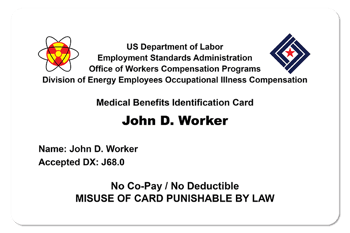
A: Yes. For approved EEOICPA beneficiaries with covered conditions, skilled nursing services are provided at no cost through the EEOICPA White Card Program. There are no copays, deductibles, or out-of-pocket expenses for approved home healthcare services.
Q: How often can I receive skilled nursing visits?
A: The frequency of skilled nursing visits is determined by your physician and care plan based on your medical needs. Your Trusted Ally Case Manager works with your healthcare team and the Department of Labor to ensure your care plan meets federal guidelines and your individual health requirements.
Q: Do I need a doctor's order for skilled nursing services?
A: Yes. Skilled nursing services under EEOICPA require a physician's order and an individualized Plan of Care that outlines your medical needs, treatment goals, and the frequency of nursing visits. Trusted Ally works with your physician to develop and maintain this care plan.
Q: Can skilled nurses help manage chronic conditions related to my EEOICPA covered illness?
A: Yes. Skilled nurses specialize in managing chronic conditions commonly associated with radiation and toxic exposure, including cancer care, respiratory diseases (COPD, pulmonary fibrosis), heart disease, kidney and liver disease, diabetes, neurological disorders, and wound care related to radiation exposure or treatment side effects.
Q: What if my medical needs change?
A: Your skilled nursing care plan can be adjusted as your medical needs change. Trusted Ally's nurses continuously assess your condition and work with your physician and Case Manager to modify your care plan, increase or decrease visit frequency, or add additional services as needed.
Q: Can I have both skilled nursing and family caregivers?
A: Yes! Many EEOICPA beneficiaries benefit from a combination of skilled nursing for medical care and family health aides or home health aides for daily personal care and assistance. Trusted Ally coordinates all aspects of your care to ensure comprehensive support.
Q: Why does skilled nursing care matter with my EEOICPA benefits?
A: Skilled nursing supports long-term management of toxic exposure-related illnesses while aligning with Department of Labor goals of maintaining function and preventing decline. It reinforces a whole-person care approach that addresses both clinical and quality-of-life needs, helps preserve independence and reduce the need for facility placement, provides medically necessary monitoring for chronic pulmonary and complex conditions common in former nuclear workers, and helps you make the most of your approved skilled nursing hours by focusing on prevention, stability, and ongoing support at home.
Q: How can I use my nursing hours effectively?
A: Your care is designed to help you stay independent and continue living safely at home. Skilled nursing support focuses on preventing issues before they turn into emergencies. Consistent care helps you stay stronger, more stable, and functioning at your best. Subtle health changes can happen gradually, and regular nursing visits help catch them early. You can benefit from your nursing hours even when you're feeling well, not just when problems arise.
Q: What kind of ongoing support can I count on from skilled nursing?
A: Skilled nursing goes beyond medical care to provide stability, safety, guidance, and ongoing support. Many patients feel more confident and secure knowing a nurse is consistently checking in and monitoring their health. Nursing care offers reassurance and clarity during times when health changes feel uncertain. Regular visits help create structure, build confidence, and keep care routines on track. Proactive, preventive care helps reduce the risk of more serious setbacks in the future.
Q: How does skilled nursing help me stay strong, safe, and independent at home?
A: Skilled nursing helps you remain safer, stronger, and more independent for as long as possible. Preventive care focuses on addressing concerns early, before they become serious problems. Maintaining stability today plays a key role in preventing decline over time. The focus isn't just on adding more care—it's on protecting your overall quality of life. Ongoing nursing support is often what allows patients to stay at home instead of needing hospitalization or facility care.
Q: How do I get started with skilled nursing services?
A: If you're already approved for EEOICPA medical benefits, contact Trusted Ally at 1-866-286-6426 to discuss your need for skilled nursing services. We'll work with your physician to develop a care plan and coordinate with the Department of Labor for approval. If you haven't yet applied for EEOICPA benefits, we can help guide you through the entire process.
Q: What states does Trusted Ally provide skilled nursing services?
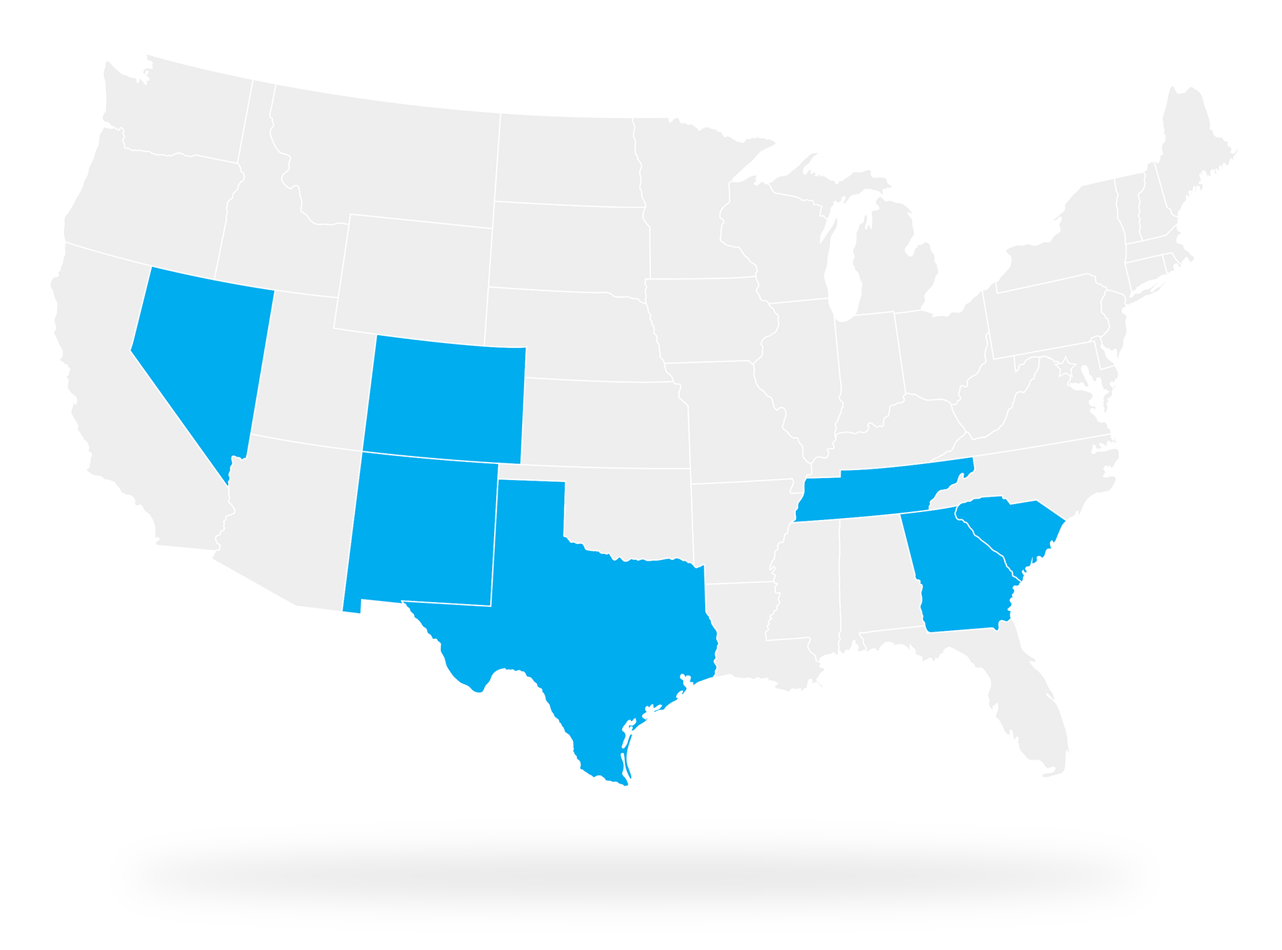
A: Trusted Ally provides skilled nursing services for EEOICPA beneficiaries in Colorado, Nevada, New Mexico, Texas, Tennessee, South Carolina, and Georgia. Our nurses are experienced in caring for former nuclear and energy workers with covered conditions.
Q: Are Trusted Ally's skilled nurses experienced with EEOICPA patients?
A: Yes. Trusted Ally specializes exclusively in EEOICPA benefits and care. Our skilled nurses have extensive experience with the unique health conditions affecting former nuclear and energy workers, understand Department of Labor requirements, and are trained in managing radiation and toxic exposure-related illnesses.
Q: Are Trusted Ally nurses actual employees or temporary contractors?
A: Trusted Ally Skilled Nurses are valued W2 employees, not temporary contractors. They are dedicated professionals who provide exceptional care to former and current nuclear workers under the EEOICPA White Card Program. Our nurses go beyond clinical excellence in EEOICPA benefits because they build meaningful relationships with each patient, offering compassion, consistency, and trust. Their commitment reflects the heart of our mission: to deliver superior home healthcare that honors the service and sacrifices of those who helped power our nation.
Q: How do Trusted Ally nurses approach healthcare?
A: Our nurses take a holistic approach when developing each patient's individualized Plan of Care. We address the whole person, not just symptoms. This means considering physical health, emotional well-being, and overall quality of life. Every Trusted Ally nurse receives specialized training on the unique health conditions covered under the EEOICPA White Card Program. Their expertise allows them to recognize and manage complex needs related to occupational illnesses, helping patients live more comfortably and confidently at home. Through dedicated care and ongoing support, our nurses help you make the most of your EEOICPA benefits while enhancing your health, independence, and peace of mind.
Q: How do Trusted Ally nurses help clients and family members?
A: Our nurses do more than provide care because they help you and your family feel confident in managing your health every day. They take time to explain how to handle chronic conditions, follow medication schedules safely, and make small changes that promote overall wellness. Through your EEOICPA benefits, our nurses are here to guide and support you, helping you stay healthy, comfortable and independent at home.