Frequently Asked Questions
Q: What is case management under EEOICPA?
A: Case management under EEOICPA is a comprehensive coordination service provided to beneficiaries approved for medical benefits through the Energy Employees Occupational Illness Compensation Program. A dedicated Case Manager serves as your primary point of contact, coordinating all aspects of your care including skilled nursing, home health aides, family health aides, and medical services. This service is provided at no cost to eligible workers and survivors who have covered conditions.
Q: Who qualifies for EEOICPA case management services?
A: Beneficiaries who have been approved for EEOICPA medical benefits and have a covered condition requiring coordinated care may qualify for case management services. This includes former DOE workers, contractors, subcontractors, and eligible survivors who need ongoing support managing their healthcare needs and navigating the benefits system.
Q: What does a Case Manager do?
A: An EEOICPA Case Manager coordinates all aspects of your care including developing and maintaining your individualized Plan of Care, coordinating with your physicians and healthcare providers, arranging and scheduling skilled nursing and home health aide visits, communicating with the Department of Labor on your behalf, ensuring continuity of care across all services, monitoring your health status and adjusting care as needed, advocating for your needs within the healthcare system, and serving as your single point of contact for all care-related questions.
Q: How is case management different from other EEOICPA services?
A: Case management is the coordination hub that brings together all your EEOICPA medical benefits. While skilled nurses provide clinical care and home health aides assist with daily living activities, your Case Manager oversees the entire care plan to ensure all services work together seamlessly. Case Managers handle the administrative coordination, communication with DOL and providers, and ongoing assessment of your changing needs.
Q: Is case management covered at no cost under EEOICPA?
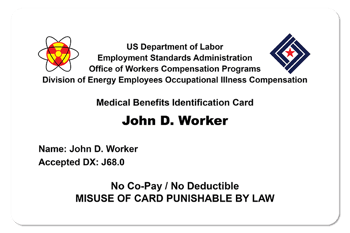
A: Yes. For approved EEOICPA beneficiaries with covered conditions, case management services are provided at no cost through the EEOICPA White Card Program. There are no copays, deductibles, or out-of-pocket expenses for approved case management services.
Q: How often will I communicate with my Case Manager?
A: Communication frequency with your Case Manager is based on your individual needs and care plan. Your Case Manager will conduct regular check-ins to assess your condition and care plan effectiveness, be available for questions and concerns as they arise, coordinate with your healthcare team for plan updates, and provide more frequent contact during transitions of care or health changes. You'll have direct access to your Case Manager whenever you need support.
Q: Can my Case Manager help with Department of Labor communications?
A: Yes. Your Trusted Ally Case Manager serves as a liaison between you and the Department of Labor for care-related matters. They can help submit required documentation for medical services, communicate changes in your care needs, request authorization for additional services, provide updates on your health status as needed for ongoing benefits, and ensure compliance with EEOICPA program requirements. This takes the administrative burden off you and your family.
Q: How does a Case Manager develop my Plan of Care?
A: Your Case Manager develops your individualized Plan of Care by working closely with your treating physician to understand your medical needs and goals, assessing your current health status and functional abilities, identifying what services and support you need to remain safe at home, coordinating with skilled nurses and other care providers, submitting the plan to the Department of Labor for approval, and regularly reviewing and updating the plan as your condition changes. Your input and preferences are central to this process.
Q: What happens if my health condition changes?
A: When your health condition changes, your Case Manager immediately assesses the impact on your care needs, coordinates with your physician for updated medical orders, adjusts your Plan of Care to reflect new requirements, communicates changes to the Department of Labor for authorization, modifies the frequency or type of services (nursing, aides, etc.), and ensures continuity of care during transitions. Your Case Manager is your advocate for getting the care you need when your needs change.
Q: Can my Case Manager help coordinate care from multiple providers?
A: Yes! One of the primary roles of your Case Manager is to coordinate care across multiple providers and services. They ensure your skilled nurses, home health aides, family health aides, physicians, specialists, and other healthcare providers are all working from the same care plan, communicate effectively with each other, understand your current health status and goals, and provide consistent, coordinated support. This prevents gaps in care and reduces confusion.
Q: How does case management help prevent hospitalizations?
A: Case management helps prevent unnecessary hospitalizations through proactive monitoring of your health status to identify problems early, ensuring medication compliance and proper disease management, coordinating timely physician visits and interventions, arranging appropriate in-home care to manage acute issues, educating you and your family on warning signs to watch for, and ensuring rapid response when health changes occur. Early intervention at home often prevents the need for emergency room visits or hospital admissions.
Q: What support does my Case Manager provide to my family caregivers?
A: Your Case Manager provides comprehensive support to family caregivers including education on your condition and care needs, training and supervision if family members serve as Family Health Aides, coordination of respite care when family caregivers need a break, guidance on managing challenging symptoms or behaviors, connection to community resources and support services, emotional support and encouragement, and serving as a resource for questions and concerns. Case Managers understand that supporting family caregivers is essential to your overall care.
Q: Can my Case Manager help me understand my EEOICPA benefits?
A: Yes. Your Trusted Ally Case Manager can help you understand and maximize your EEOICPA medical benefits including what services are covered under your White Card, how to access skilled nursing, home health aides, and other services, what documentation is needed for various services, how to communicate with the Department of Labor, what to do if your needs change, and how to navigate the EEOICPA system effectively. We're here to help you get the full value of your benefits.
Q: How do I get started with case management services?
A: If you're already approved for EEOICPA medical benefits, contact Trusted Ally at 1-866-286-6426 to be assigned a dedicated Case Manager. Your Case Manager will conduct an initial assessment, work with your physician to develop your Plan of Care, coordinate with the Department of Labor for service authorization, and begin arranging the care and support services you need. If you haven't yet applied for EEOICPA benefits, we can help guide you through the entire process.
Q: What states does Trusted Ally provide case management services?
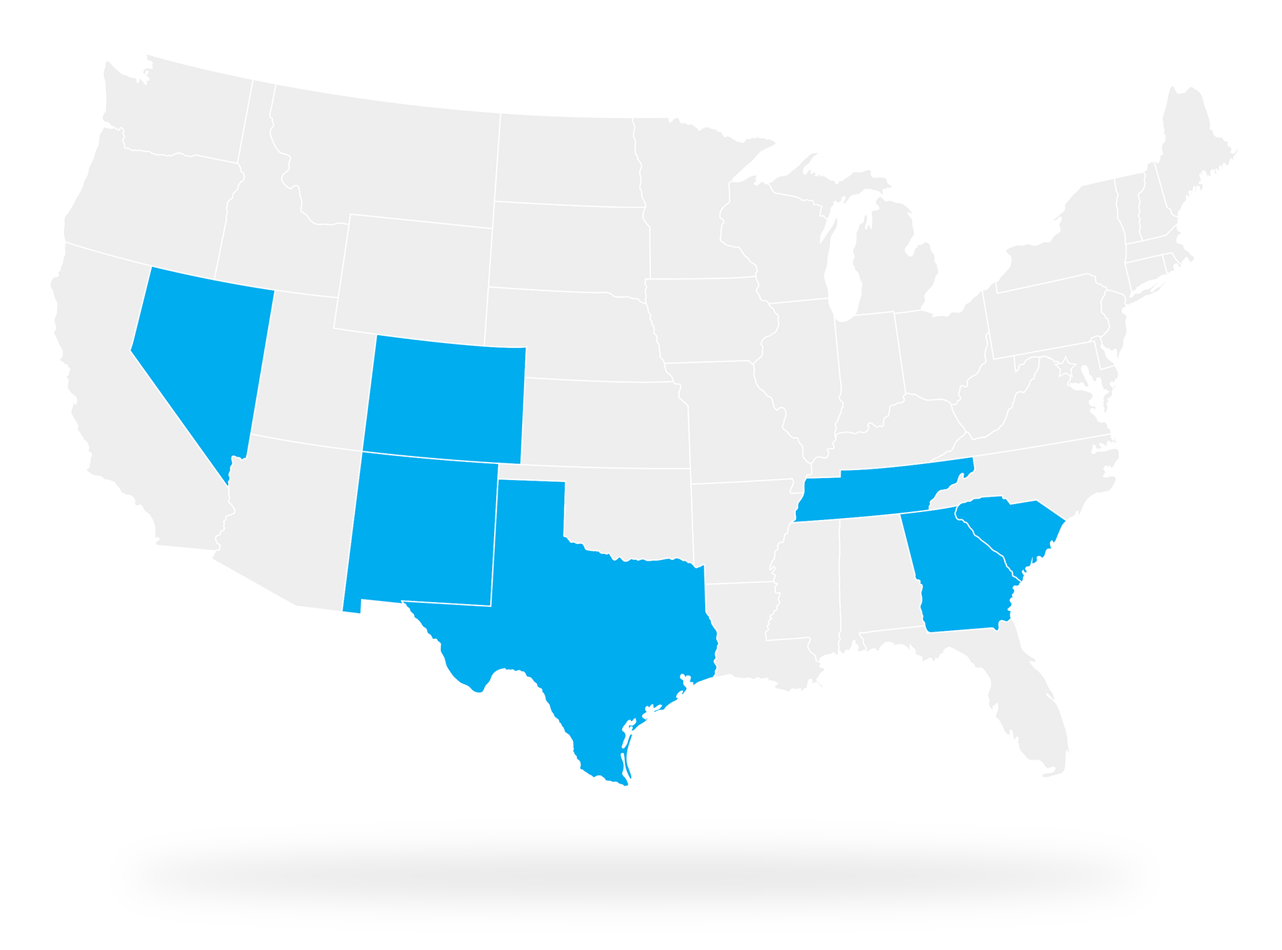
A: Trusted Ally provides case management services for EEOICPA beneficiaries in Colorado, Nevada, New Mexico, Texas, Tennessee, South Carolina, and Georgia. Our Case Managers have extensive experience coordinating care for former nuclear and energy workers with covered conditions.
Q: Are Trusted Ally Case Managers experienced with EEOICPA patients?
A: Yes. Trusted Ally Case Managers specialize exclusively in EEOICPA benefits and care. They have extensive experience with the unique health conditions affecting former nuclear and energy workers, understand Department of Labor requirements and processes, are skilled at navigating the EEOICPA system on your behalf, and are trained in managing the complex, chronic conditions common among radiation and toxic exposure survivors. Our Case Managers are experts in both healthcare coordination and the EEOICPA program.
Q: What makes Trusted Ally's case management approach unique?
A: Trusted Ally's case management is unique because we specialize exclusively in EEOICPA benefits and understand the specific challenges former nuclear weapons and uranium workers face. Our Case Managers provide personalized, one-on-one coordination (not automated or call-center based), have deep expertise in both clinical care and DOL requirements, serve as your dedicated advocate throughout your care journey, coordinate seamlessly between medical providers and the Department of Labor, understand the occupational illnesses common to nuclear workers, and are committed to helping you live safely and comfortably at home with dignity and independence. We honor your service to our nation by providing exceptional care coordination.